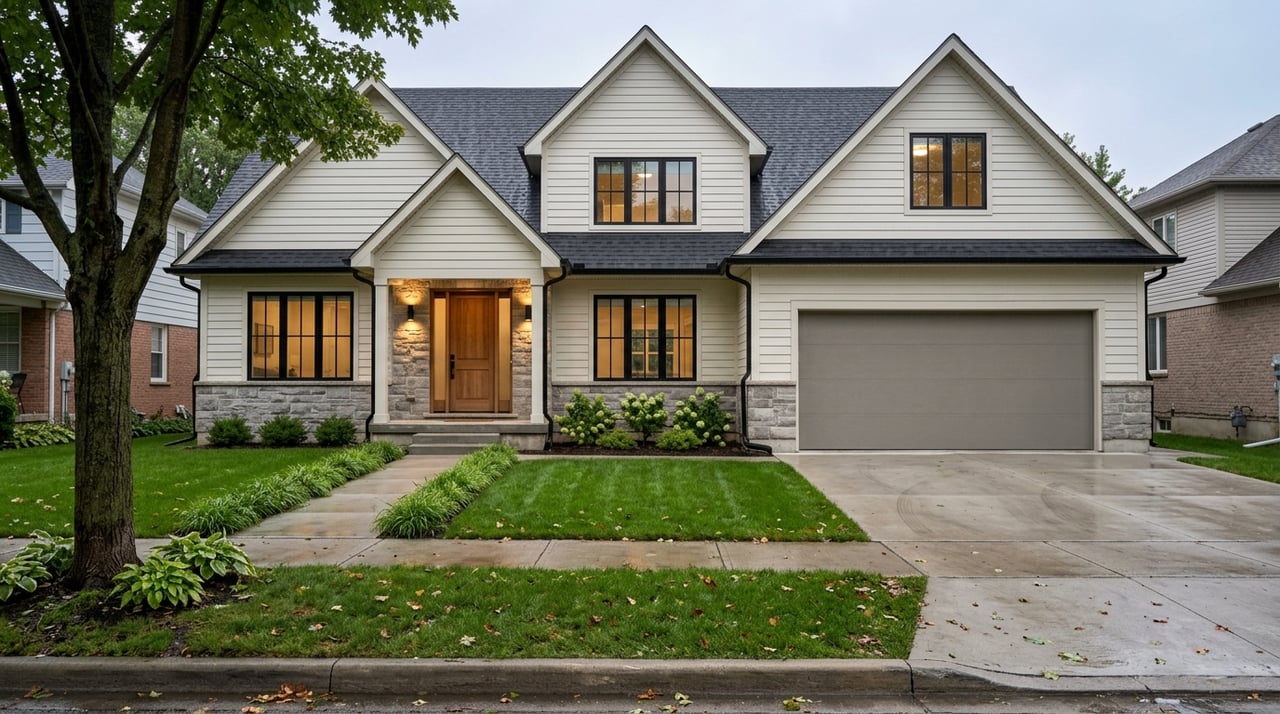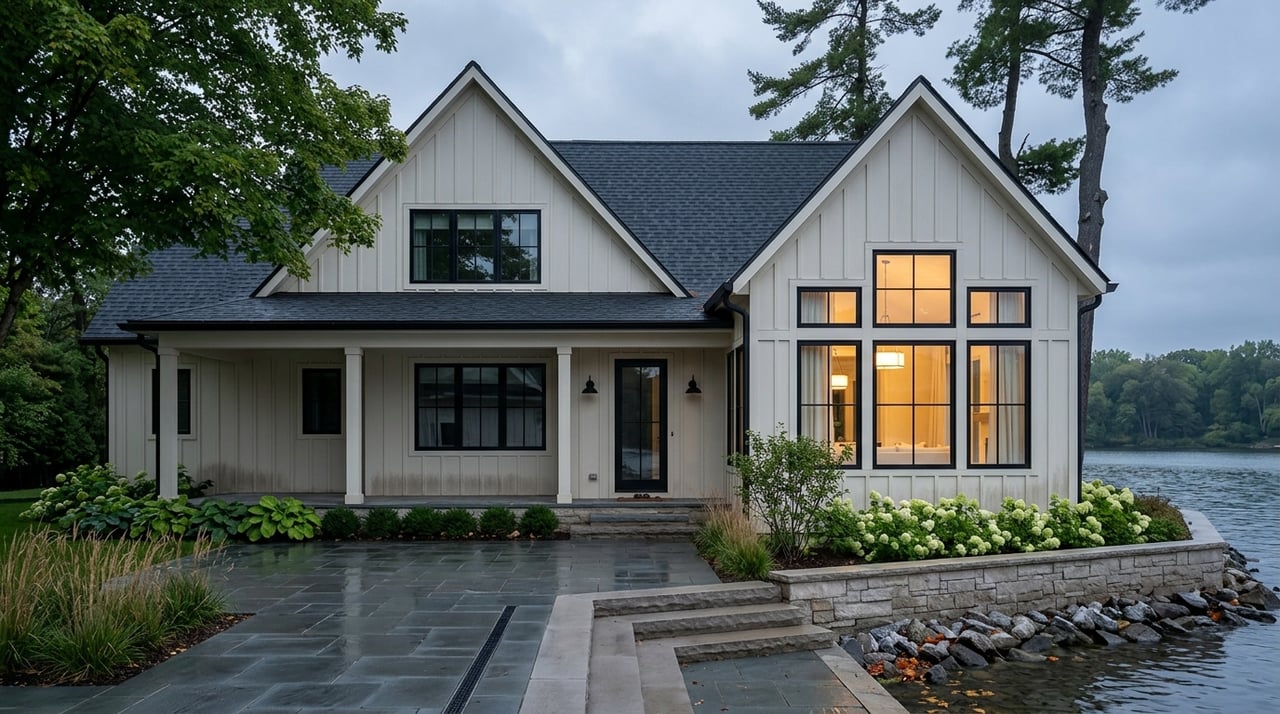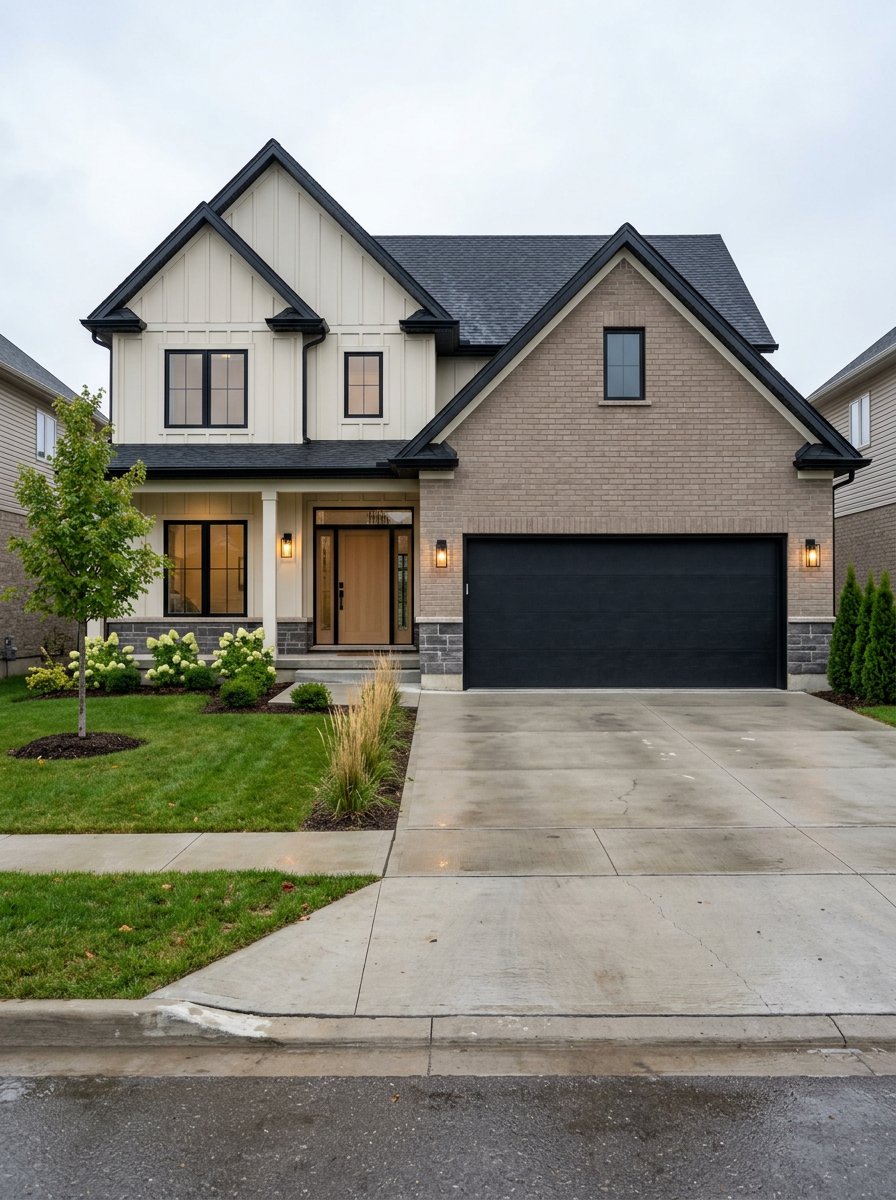
Dreaming of acreage, a hobby farm, or weekend access to ski and bike trails near Horseshoe Valley? Oro‑Medonte offers all of that, but buying rural and recreational property here is not the same as buying a suburban home in Barrie. You will navigate wells, septic systems, conservation authority mapping, and unique zoning. This guide walks you through what to check, why it matters, and how to protect your purchase. Let’s dive in.
Quick take: Why Oro‑Medonte is different
Oro‑Medonte blends resort living with true countryside. The township includes Horseshoe Valley and shoreline communities like Shanty Bay, and it sits on varied terrain that includes parts of the Oro Moraine. These features create a mix of recreation, environmental protections, and rural land uses that shape what you can build and how you use the land.
Unlike suburban subdivisions, much of Oro‑Medonte relies on private wells and on‑site septic systems. Some areas have municipal water, and parts of Horseshoe Valley are served by a privately owned drinking water system that is being integrated into the municipal Horseshoe Highlands system. Confirming how a property is serviced is a top priority because it impacts everyday living, costs, and lender requirements.
You also need to check more than one set of rules. Township zoning, County and local conservation authorities can all affect building envelopes, shoreline use, and even lot creation. Always confirm zoning and conservation mapping at the parcel level because two neighbouring lots can have very different rights.
Start here: Your buyer checklist
Use this step‑by‑step list to assess a rural, acreage, hobby‑farm, or recreational property in Oro‑Medonte.
- Confirm zoning and any exceptions. Use the Township’s interactive schedules to find your property, then review permitted uses and setbacks. Start with the Township’s planning schedules and zoning maps.
- Check conservation authority mapping. If the lot touches wetlands, rivers, shorelines, or steep slopes, parts may be regulated. Begin with the NVCA’s property lookup tool. If you are in the Lake Simcoe watershed, contact LSRCA as well.
- Verify water and sewage. Ask for well water tests and septic inspection and maintenance records. If the property is in Horseshoe Valley, request the status of the private drinking water system and any integration fees using the Township’s Horseshoe Valley private drinking water page.
- Confirm access and winter maintenance. Is your access via a year‑round municipal road or a private road or shared driveway? Review culvert responsibilities and snow‑clearing plans. See Township road maintenance information.
- Review title and easements. Search for rights‑of‑way, restrictive covenants, utility easements, and any special levies tied to water systems or servicing.
- Check electricity and heat. Note overhead vs underground service and plan for outages. Natural gas is not universal in rural areas, so many properties rely on propane, oil, or wood.
- Test internet. Coverage is site‑specific. Use the Township’s Connect Oro‑Medonte Internet page to explore local options and then run address‑level speed tests.
- Pre‑check with lender and insurer. Disclose private road access, wells, septic, seasonal use, barns, and equine plans. Lenders and insurers treat these differently than standard suburban homes.
- Plan permits and reports. If you want to build, renovate, or add agri‑tourism uses, you may need a survey, grading plan, hydrogeological or septic design, and conservation authority approvals.
Zoning and permitted uses
Your first stop is zoning. Oro‑Medonte’s Official Plan sets overall direction, and the Township’s consolidated Zoning By‑law turns that into specific rules for permitted uses, setbacks, coverage, and minimum lot sizes. Always pull the zoning schedule for the exact parcel and read the by‑law section that applies, including any site‑specific exceptions.
For rural buyers, pay close attention to zones that allow agricultural uses, hobby farms, and on‑farm diversified uses such as agri‑tourism or riding schools. Each category has definitions and limits that influence how you can operate. For example, the by‑law limits how much of a property can be used for non‑agricultural activities and may cap event or visitor intensity.
If you plan unique uses, read the actual text. The Township’s consolidated Zoning By‑law is where definitions, permissions, and exceptions live. Because exceptions are parcel‑specific, never assume neighbouring properties have the same rights.
Hobby farms, horses, and on‑farm activities
Thinking about horses, small‑scale crops, or farm‑adjacent businesses like lessons or tastings? The by‑law defines “agricultural use,” “hobby farm,” and “on‑farm diversified use,” and it sets size, building, and intensity limits. If an MLS listing hints at special permissions, ask for the site‑specific exception number and verify it in the by‑law before you write an offer.
Lot creation and severances are also different in agricultural areas. New small parcels are more restricted than in suburban subdivisions. Many consents must prove year‑round access, conformity with the Official Plan, and agricultural viability, so do not count on creating smaller hobby‑farm lots without a clear planning path.
Conservation authority mapping
Large parts of Oro‑Medonte fall under the Nottawasaga Valley Conservation Authority or the Lake Simcoe Region Conservation Authority. If any portion of your land is within a regulated area such as a floodplain, wetland, steep slope, or shoreline, permits may be required before you build or alter the site. This can change where you place a house, barn, driveway, or septic system.
Check early. Use the NVCA map tool in your checklist, and if your property is in the Lake Simcoe watershed, contact LSRCA to confirm mapping and process. Pre‑consultation can save months by flagging constraints and required studies up front.
Water, septic, and communal systems
Many rural homes in Oro‑Medonte use private wells. That places responsibility for water quality on you. Ask for recent lab results and confirm the well’s age, capacity, and treatment equipment. Some areas are on municipal systems, and parts of Horseshoe Valley are on a private drinking water system that the Township is integrating into the municipal Horseshoe Highlands system. If you are looking in Horseshoe, review the Horseshoe Valley private drinking water page and request any related user fees or integration charges from the seller.
Septic systems are governed by Ontario’s Building Code. Always ask for installation permits, age, pump‑out records, and inspection reports. Where a development relies on a private communal sewage works, the system typically needs a provincial Environmental Compliance Approval, and a Municipal Responsibility Agreement may be used to protect residents if private services fail. The province’s overview of ECAs explains the process and documentation in more detail. Review the ECA guidance if a listing mentions communal wastewater.
Access, roads, and winter reality
The Township maintains more than 680 km of public roads with year‑round service. Driveways and culverts are typically the homeowner’s responsibility. If access is over a private road or a shared driveway, get the maintenance agreement and confirm snow‑clearing arrangements. Lenders and insurers often scrutinize properties without clear year‑round municipal access, so document access early. Township road maintenance information outlines what the municipality handles versus owners.
Oro‑Medonte experiences real winter. The 2025 ice storm was a reminder that rural electrical infrastructure can be stressed during major weather, and restoration involves coordination with Hydro One. If you are buying a seasonal or recreational property, consider generator needs and the risk of frozen pipes or water damage during outages. The Township’s ice‑storm update provides helpful context for planning.
Utilities, heat, and internet
Natural gas is not available everywhere in rural Oro‑Medonte. Many homes use propane, oil, or wood. Confirm service options at the address level and plan inspections for any fuel systems.
Broadband is improving across the township with multiple providers participating, but coverage and speeds remain site‑specific due to terrain and tree cover. Start with Connect Oro‑Medonte Internet to see local ISPs and programs, then run on‑site speed tests and call providers to confirm plans and installation timelines.
For electricity, note whether service is overhead or underground, who owns poles and masts at the lot line, and whether any customer‑side equipment would be your responsibility in an outage. These details help with insurance, budgeting, and storm planning.
Financing, insurance, and resale
Rural and recreational financing has extra steps. Lenders will confirm year‑round legal access, your water and sewage model, and whether there are outstanding municipal charges or special levies such as Horseshoe Valley water integration fees. They also review zoning and conservation restrictions that might affect improvements or income plans. Work with a mortgage advisor experienced in rural, cottage, or hobby‑farm lending and disclose seasonal or income use up front.
Insurance is also different for seasonal or specialized properties. You may need endorsements for seasonal occupancy, frozen‑pipe and water‑damage protections, or higher liability limits for barns, outbuildings, and equine operations. The recent storm history in the area underscores the value of a complete and accurate application. Ask brokers how they treat prolonged vacancy, secondary residences, and short‑term or occasional rental use before you buy.
If you plan a commercial farm operation, the Farm Property Class administered through MPAC and related programs can lower tax rates for eligible properties. Requirements apply, so review MPAC’s farm property assessment guidance early if tax classification is part of your plan. Hobby farms that do not meet agricultural‑use tests may not qualify.
Resale for rural and recreational properties is more specialized than for suburban homes. Factors that help marketability include proximity to Horseshoe Valley and trail systems, certified year‑round access, documented well and septic condition, a clear buildable envelope that is not heavily constrained by conservation mapping, and reliable broadband. Complex servicing, private roads without agreements, or restrictive site‑specific zoning can reduce the buyer pool. On‑farm diversified uses, when legally permitted, can add value.
Planning improvements: what to prepare
If you plan to build, renovate, or launch agri‑tourism, line up your technical reports early. A current survey, site grading and drainage plan, tree and vegetation mapping, and hydrogeological or septic design may be required by the Township or a conservation authority. Having these ready can streamline approvals and keep your project on schedule.
Your next step
Buying in Oro‑Medonte rewards careful prep. Start with zoning and conservation mapping, verify water and septic, confirm access, and get early checks from your lender and insurer. With the right due diligence, you can enjoy the best of the township’s rural lifestyle and recreation while protecting your investment.
Have questions about a specific property or plan? Connect with the local team that has helped buyers and sellers across Barrie and Simcoe County for more than two decades. Reach out to Peggy Hill for guidance tailored to your goals.
FAQs
What is the first step to vet a rural Oro‑Medonte property?
- Start by pulling the Township zoning schedule for the exact parcel and checking conservation authority mapping to see if any regulated areas affect building or site changes.
How do private wells and septic systems affect my purchase?
- You are responsible for water quality and septic function, so request recent well tests, septic permits, age, pump‑out and inspection records, and plan for ongoing maintenance costs.
What should I know about Horseshoe Valley’s water system?
- Parts of Horseshoe Valley are on a privately owned drinking water system being integrated with the municipal system, so ask for the service status and any user or integration fees tied to the property.
How do conservation authority rules change what I can build?
- If mapping shows floodplains, wetlands, shorelines, or steep slopes on your lot, permits or limits may apply, which can shift your building envelope or require studies before approvals.
Do private roads or shared driveways create issues for lenders?
- Yes, lenders and insurers often require proof of year‑round legal access and maintenance agreements for private roads or shared driveways, so gather documents early.
Can I create a smaller hobby‑farm lot by severing land?
- Severances in agricultural areas face stricter tests than suburban subdivisions, including year‑round access, Official Plan conformity, and often agricultural viability, so do not assume a split is possible.