Thinking about buying a rental property in Downtown Barrie? You are looking at a market that offers more than just a roof and four walls. Downtown Barrie combines waterfront access, events, transit connections, and ongoing growth, which can make it appealing for both investors and tenants. If you want to understand what makes this area stand out, what property types may fit your goals, and what local rules you need to check before you buy, let’s dive in.
Why Downtown Barrie Stands Out
Downtown Barrie is a key growth area within the city. According to the City of Barrie, the Downtown Barrie Urban Growth Centre includes the traditional downtown and part of historic Allandale, and it is a focal point for higher-density growth and intensification. The city’s planning approach also supports mixed-use, pedestrian-oriented development.
That matters when you are buying a rental property. It means downtown is not just a collection of older buildings and storefronts. It is an area the city is actively planning around, with residential uses often expected above commercial space in growth areas.
What Attracts Renters Downtown
A big part of downtown Barrie’s appeal is lifestyle. The city’s waterfront stretches more than 5 kilometers and connects closely with the downtown corridor, including places like Meridian Place and Memorial Square. The waterfront also features beaches, trails, public Wi-Fi, seasonal food vendors, and recreation amenities.
For a rental owner, those features can be important selling points. Many tenants want a home that gives them easy access to daily conveniences, outdoor space, and community events without depending heavily on a car.
Culture and entertainment also help downtown stand out. Invest Barrie describes the arts and culture sector as thriving, with entertainment available throughout the week, while downtown and the waterfront serve as a four-season destination for festivals and events. The Downtown Barrie BIA calendar includes recurring events such as Ribfest, Canada Day, Open Air Dunlop, and Troubadour Festival.
Transit access adds another practical advantage. The Allandale Transit Terminal at 20 Essa Road functions as an inter-regional hub with GO Trains and Buses, Ontario Northland, and Barrie Transit service, while the Downtown Mini Hub helps preserve direct bus access into the core. Georgian College also notes Barrie is less than an hour north of Toronto.
Taken together, these features suggest Downtown Barrie may appeal to renters looking for a car-light lifestyle, access to shops and dining, waterfront recreation, and transit options. That can support demand across several tenant groups without relying on a single renter profile.
Property Types to Consider
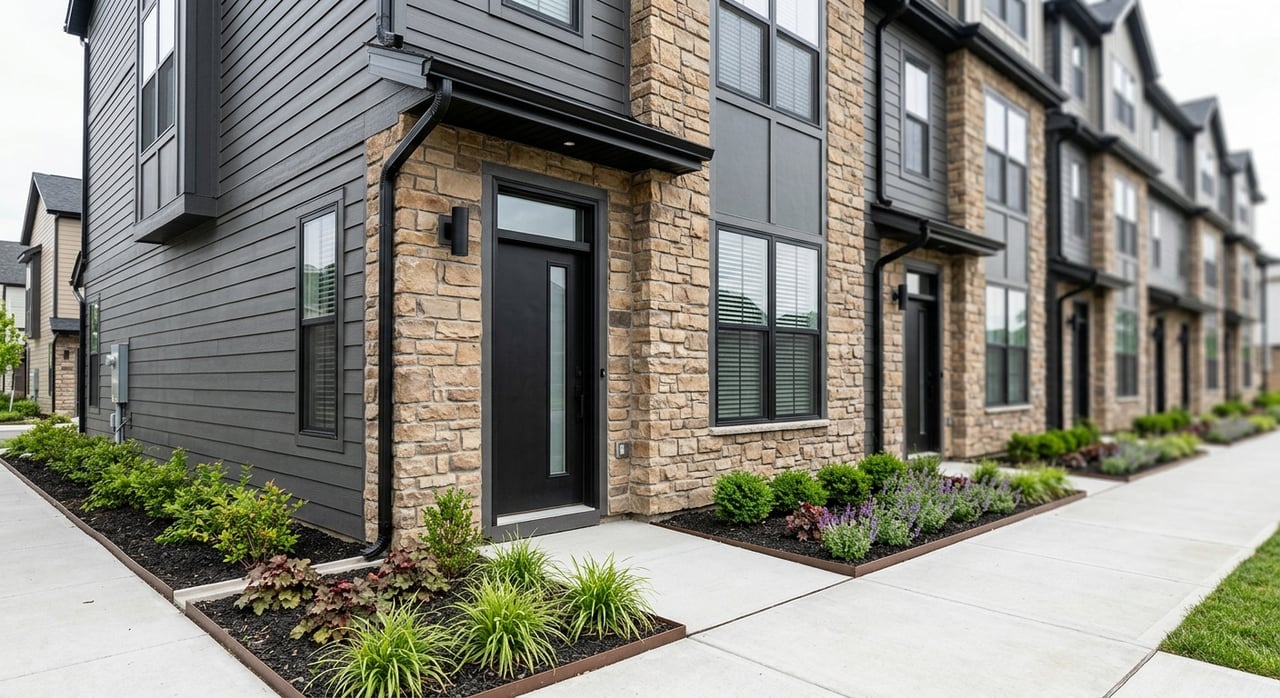
Downtown Barrie offers a mix of housing forms shaped by the city’s planning framework. Barrie’s Official Plan identifies low-rise residential and mixed-use forms such as detached houses, semi-detached houses, townhouses, and walk-up apartment buildings. In higher-density areas like the Urban Growth Centre, mixed-use development plays a stronger role.
For you as a buyer, that can mean different investment paths. Depending on the property and location, you may come across condos, apartments, mixed-use buildings, and older freehold homes near the core.
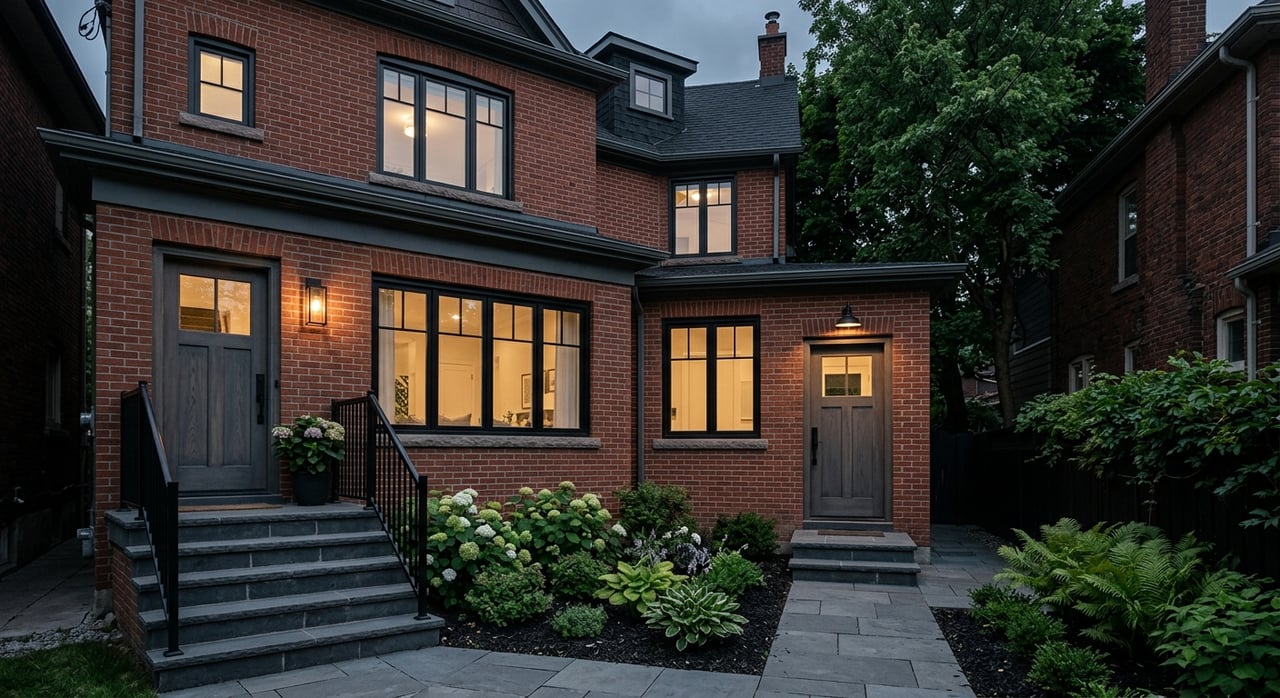
Some buyers may prefer a condo for simpler upkeep and a more straightforward rental setup. Others may look at older freehold homes because they may offer more flexibility for future renovation or suite creation, subject to local rules and approvals.
Historic Character Can Affect Your Plans
Downtown Barrie also has a strong historic layer. The City of Barrie says its historic neighborhoods shape the city’s character, and the Municipal Heritage Register includes designated buildings and buildings of heritage interest.
If you are considering an older property, this is worth reviewing early. Heritage, design, or compatibility considerations may affect what you can renovate or redevelop, especially if your investment plan depends on major changes to the building.
House-Hacking and Additional Units
If your goal is to live in the property while renting part of it out, Barrie’s Additional Residential Units framework is especially important. The city says ARUs can include basement apartments or in-law suites, coach houses or secondary dwellings, or additions to an existing home.
This can open up useful options for house-hackers and long-term investors. A property with space for an additional unit may create more income potential than a standard single-unit home, but only if it meets city requirements.
Barrie requires second suites and detached accessory dwelling units to be registered. The city also notes that Property Standards and Fire inspections may be part of the process, and it plans to reduce ARU building permit application fees by 50% in 2026.
Before you assume a basement apartment is allowed, confirm zoning, registration, permit, and inspection requirements with the city. That step can protect you from expensive surprises after closing.
What the Rental Numbers Suggest
When you underwrite a Downtown Barrie rental, it helps to start with official regional benchmarks. In the October 2025 CMHC Barrie CMA rental report, the average rent was $1,697 overall, with $1,583 for one-bedroom units, $1,749 for two-bedroom units, and $1,953 for three-bedroom-and-plus units.
Vacancy rates in the same report were 4.2% overall, 5.7% for one-bedroom units, 3.6% for two-bedroom units, and 2.4% for three-bedroom-and-plus units. These figures reflect the Barrie CMA, not Downtown Barrie alone, but they offer a useful starting point when building your projections.
The vacancy mix suggests an important caution. Smaller units may face more turnover or vacancy risk than larger suites, while two-bedroom and three-bedroom-plus units may offer relatively steadier occupancy. That does not guarantee performance, but it is a practical signal to test in your own deal analysis.
Why Supply Matters
It is also smart to think beyond current rent. Barrie reports that it is one of Canada’s fastest-growing municipalities, with 5,028 housing starts between January 1, 2023 and May 31, 2026, and 29,165 residential units in the pipeline in the 2024 growth report.
More housing supply can influence rent growth, vacancy expectations, and tenant incentives over time. If you are buying based on aggressive future rent increases, this pipeline should encourage a more careful approach.
A better strategy is to stress-test your numbers. Use realistic rent assumptions, account for vacancy, and compare asking rents with actual lease comps whenever possible.
Key Rules to Verify Before You Buy
In Ontario, the Residential Tenancies Act applies to most private residential rental units, including houses, apartments, condominiums, and secondary units such as basement apartments. For most covered units, rent can usually be increased only once every 12 months, with 90 days written notice.
Ontario’s 2026 rent increase guideline is 2.1%. On turnover, however, the landlord and a new tenant can agree on the rent amount, which means tenant turnover can affect future revenue potential.
There is also an important exemption to understand. Ontario says the guideline does not apply to new buildings, additions to existing buildings, and most new basement apartments first occupied for residential purposes after November 15, 2018.
That distinction can matter if you are buying a newer condo downtown or creating a new suite in an existing property. A unit’s age and occupancy history may change how you model rent growth.
Downtown Due Diligence Checklist
Before you make an offer on a Downtown Barrie rental property, make sure you review the basics carefully:
- Confirm the current zoning and permitted use
- Check whether the property includes a registered second suite or detached accessory dwelling unit
- Review whether permits, Property Standards inspections, or Fire inspections apply
- Verify whether any heritage or design considerations affect renovations
- Use local lease comps to test rent assumptions
- Factor in vacancy risk rather than assuming full occupancy
- Review whether the unit may be subject to Ontario rent increase guidelines or exempt from them
Barrie says its zoning by-law is the primary tool for land use regulation, and the city is working on a new comprehensive Zoning By-Law. That makes municipal review especially important when your investment plan depends on a specific use or future conversion.
Is Downtown Barrie a Good Fit for Investors?
Downtown Barrie can be a strong option if you want a location with walkability, waterfront appeal, transit access, and long-term city planning support for growth. It may also offer a useful mix of property types, from condos to older homes with potential for additional units.
At the same time, this is not a market where rough estimates are enough. Vacancy is not extremely tight at the regional level, supply is growing, and municipal rules can directly affect your renovation or suite plans.
If you buy with a clear strategy, realistic underwriting, and careful local due diligence, Downtown Barrie can offer opportunity. The key is matching the property to your rental plan instead of assuming every downtown listing will perform the same way.
If you are weighing condos versus freeholds, reviewing suite potential, or trying to make sense of Downtown Barrie’s investment opportunities, the team at Peggy Hill can help you navigate the local market with clarity and confidence.
FAQs
Is Downtown Barrie good for buying a rental property?
- Downtown Barrie offers strong lifestyle appeal, waterfront access, events, walkability, and transit connections, along with city planning support for higher-density growth.
Are basement apartments allowed in Barrie?
- Yes, but they must comply with zoning and registration rules, and the city’s ARU process may also involve permits and inspections.
What property types are common in Downtown Barrie?
- Downtown buyers may find condos, apartments, mixed-use buildings, and older freehold homes near the core, based on Barrie’s planning framework.
How does rent control work for Barrie rental properties?
- For most covered Ontario rental units, rent increases are limited to once every 12 months with 90 days written notice, and the 2026 guideline is 2.1%, though some newer units may be exempt.
What is the biggest risk when underwriting a Barrie rental?
- One of the biggest cautions is relying on optimistic rent growth without checking local lease comps, especially since Barrie CMA vacancy is not extremely tight and housing supply is growing.