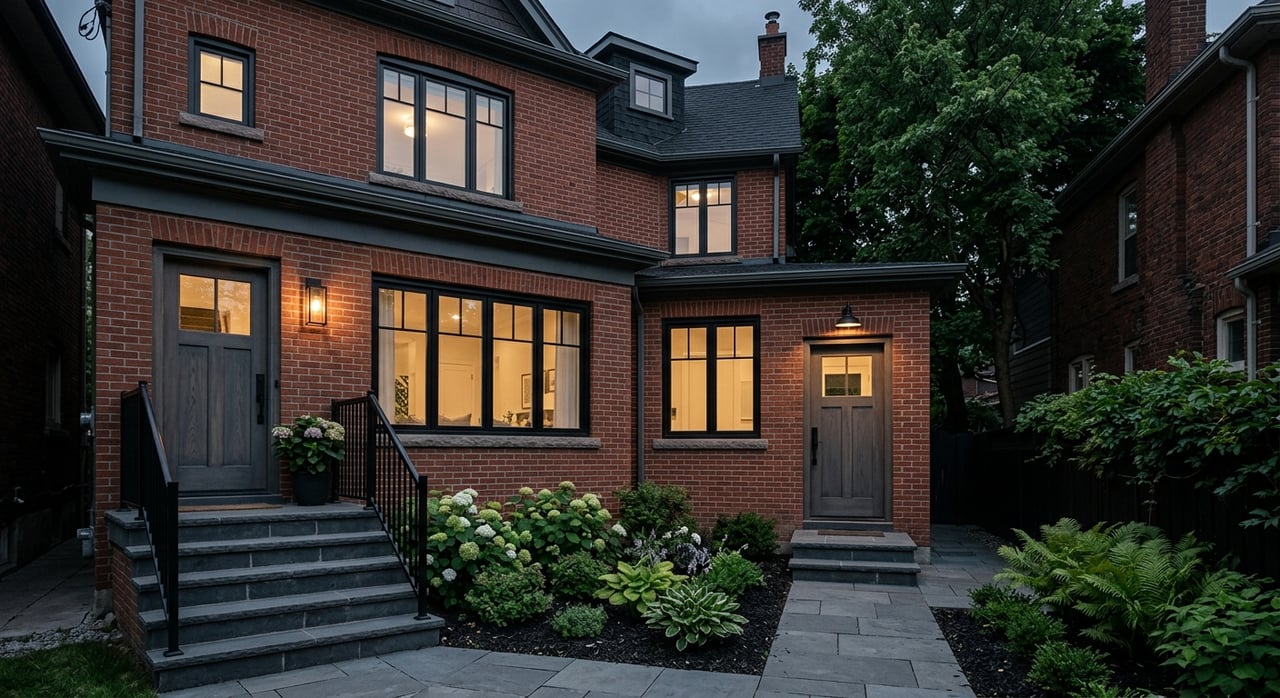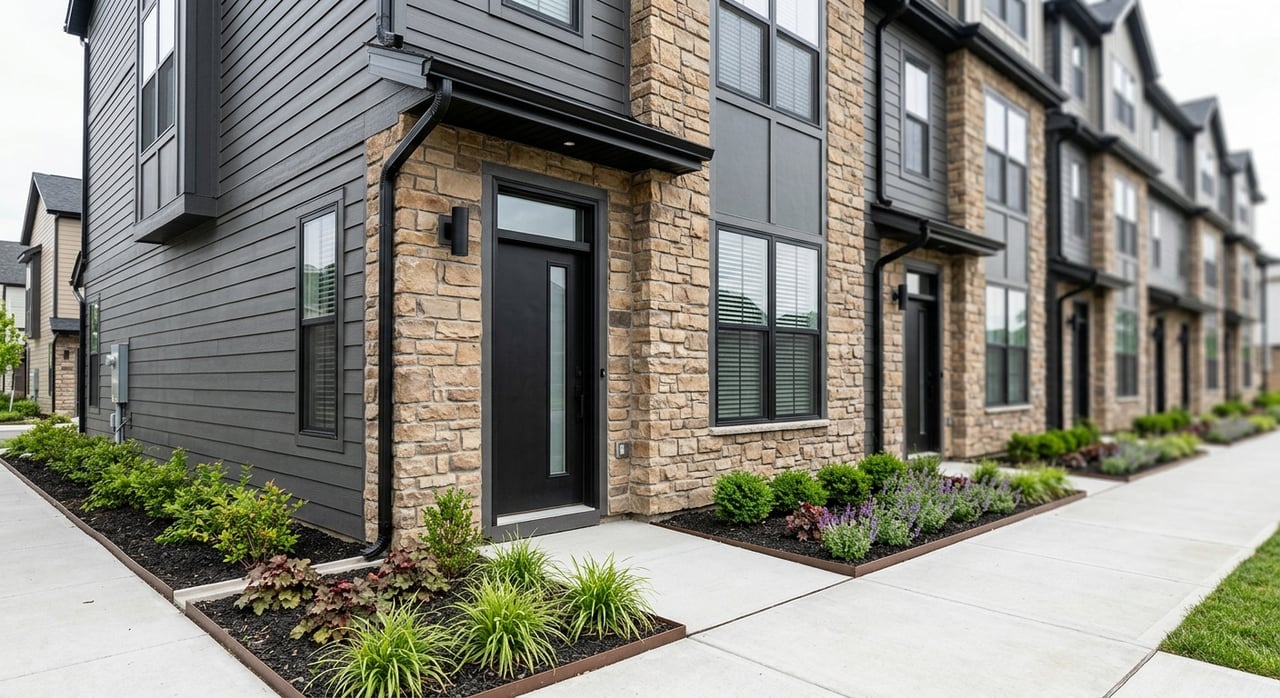
If you have been watching Barrie North, you have probably noticed that change is no longer just talk. New development is starting to reshape how this part of Barrie looks, feels, and functions, especially along the Bayfield Street corridor. If you are buying, selling, or simply trying to understand what comes next, this guide will help you make sense of the big picture and the local details. Let’s dive in.
Why Barrie North Is Changing
Barrie is planning for long-term growth, and north-end neighbourhoods are part of that story. The City of Barrie’s Building Progress dashboard reports 822 housing starts in the first five months of 2026 and 5,028 dwelling units started between January 1, 2023 and May 31, 2026. The city has also pledged to help facilitate 23,000 housing units by 2031.
That larger citywide push matters in Barrie North because growth is being guided, not happening at random. Barrie’s Official Plan sets the long-range direction for land use, while the zoning by-law helps put that plan into action. The city also notes that the zoning by-law is under review, which signals that policy is continuing to evolve alongside new housing needs.
Bayfield Street Is a Key Corridor
The clearest example of change in Barrie North is the Bayfield Street corridor. The Bayfield Street Community Design Plan covers the area from Sophia Street to the northern city limit and is meant to guide future growth and redevelopment.
The plan says the corridor should support a regional commercial centre with adequate services and amenities. In simple terms, that means the city is planning for Bayfield Street to do more than move cars from one place to another. It is being shaped as a place where housing, shopping, services, and transportation work together.
Barrie’s growth management materials also say the city has created new Mixed-Use zoning categories for higher-density areas. That points to a broader shift in how land is being used, with more projects combining residential and commercial space in the same development.
What Types of Housing Are Coming
One of the biggest changes in Barrie North is the expanding housing mix. Instead of seeing only one type of home added at a time, the development pipeline shows a wider range of options.
That includes townhouses, stacked townhouses, detached homes, apartment buildings, and mixed-use buildings. Based on current planning and approved files, Barrie North appears to be moving toward a more corridor-based mix of housing forms, especially near major roads and services.
Mixed-use projects are becoming more visible
At 49 Hanmer Street West, a proposed mixed-use project includes a 10-storey residential building with 188 units, a 20-storey mixed-use building with 278 units, 30 townhouse units, and 795 square metres of ground-floor commercial space. This is a strong example of homes and day-to-day services being planned together.
At 580 and 582 Bayfield Street, another proposed mixed-use project would bring about 800 units. Plans include a 12-storey residential building, a mixed-use building with three towers ranging from 15 to 20 storeys, and townhouse units.
Apartments are adding more density
Approved plans at 303 Cundles Road East include three apartment buildings of 8, 10, and 12 storeys, for a total of 505 units. The city’s file also notes a larger master site plan with a commercial area to the north and two six-storey apartment buildings to the south.
This kind of project adds a substantial number of homes in one location. It also shows how larger sites in Barrie North may evolve in phases over time rather than in a single build-out.
Ground-oriented homes are still part of the mix
Not all development in Barrie North is focused on taller buildings. At 290 Cundles Road East, plans were approved for 22 townhouse units, including 4 affordable units to be provided to Habitat for Humanity, though subdivision approval is still pending.
At 435 Anne Street North and 33 Harrison Crescent, a proposal includes 96 units made up of 4 detached homes, 8 semi-detached homes, and 84 stacked back-to-back townhouse units. For buyers who want something between a condo and a detached house, these projects show that more middle-ground options may be coming to market.
What This Means for Buyers
If you are buying in Barrie North, new development could mean more choice over time. Depending on your budget, lifestyle, and timeline, you may see a wider range of homes available, from townhomes and stacked townhomes to apartment-style units in larger mixed-use settings.
That broader mix can matter if you are a first-time buyer, a downsizer, or someone relocating within Simcoe County. It may also give you more flexibility if you want to live near shopping, services, and major roads instead of looking only at traditional low-density housing areas.
You should also keep timing in mind. Some projects are approved, some are under review, and others are still moving through site plan or subdivision steps. That means inventory and neighbourhood change will likely unfold gradually rather than all at once.
What This Means for Homeowners
If you already own in Barrie North, development can bring both short-term disruption and long-term change. Construction activity, road work, and shifting traffic patterns can affect your day-to-day routine while projects are underway.
At the same time, the city’s planning direction suggests a long-term focus on more housing choice, more services, and improved connectivity. That does not guarantee any specific price outcome, but it does show that Barrie North is part of a bigger city-building effort rather than a one-off development cycle.
For many homeowners, the key is understanding context. If your property is near a growth corridor, buyers may start looking at the area differently over the next several years because of future convenience, housing diversity, and infrastructure upgrades.
Infrastructure Is Part of the Story
Housing is only one piece of what is changing in Barrie North. Roads, transportation planning, and access improvements are moving alongside redevelopment.
The Bayfield Street Transportation Improvements Environmental Assessment is in progress and is expected to finish in 2026. It covers Bayfield Street from Coulter Street to Cundles Road.
The City of Barrie also says the Ministry of Transportation plans to replace the Bayfield Street and Highway 400 interchange and crossing structure starting in 2026. The work includes widening Bayfield Street to six lanes and is intended to improve conditions for pedestrians, transit users, cyclists, and motorists.
Expect short-term disruption
During construction and phased build-out, you should expect some inconvenience. Traffic changes, detours, and longer travel times at certain points are realistic possibilities when major corridor and interchange work is underway.
If you live, work, or shop near Bayfield Street, that could affect daily routines in the near term. For buyers, it is worth weighing present-day construction conditions against longer-term transportation improvements.
Long-term connectivity may improve
The intended goal of this work is broader mobility for everyone using the corridor. Over time, changes to Bayfield Street are meant to support not only vehicle traffic but also pedestrians, transit users, and cyclists.
When you pair that with new mixed-use development, the result is a more connected pattern of growth. That is an important part of how Barrie North is evolving.
Daily Convenience Could Improve
Another major shift is how commercial amenities are being woven into redevelopment. The Bayfield Street Community Design Plan says the city wants to maintain and enhance commercial uses along the corridor as Barrie grows and intensifies.
You can already see that direction in project files. The proposed 49 Hanmer Street West project includes ground-floor commercial space, while 427 Cundles Road East would add an automotive service station and a stand-alone drive-thru restaurant within an existing commercial development.
For residents, this could mean more everyday convenience over time. Instead of separating homes and services as much as in older suburban patterns, some newer projects are being designed to place them closer together.
This Is a Long-Term Shift
It is easy to look at one tower proposal or one road project and assume it is an isolated change. In Barrie North, the planning documents suggest something bigger.
The city’s long-range planning framework, the Bayfield Street corridor plan, mixed-use zoning direction, and major transportation projects all point toward sustained intensification. That means the north end is not just adding more homes. It is gradually changing how growth is organized.
For buyers and sellers, that matters because real estate decisions are often made with several years in mind, not just the next few months. Understanding where Barrie North is headed can help you make a more confident move.
How to Read the Market Locally
When you are evaluating Barrie North, try to look beyond current listings alone. Pay attention to whether a home is near planned corridor growth, proposed mixed-use sites, or future transportation improvements.
That does not mean every property will be affected in the same way. It does mean local market context is becoming more important as the north end develops in phases.
If you are buying, you may want to compare today’s lifestyle with what the area could offer in a few years. If you are selling, it can help to position your home within the story of a changing and increasingly connected part of Barrie.
If you want help understanding how new development may affect your next move in Barrie North, connect with Peggy Hill for local guidance rooted in real experience across Barrie and Simcoe County.
FAQs
What new housing is planned in Barrie North?
- Barrie North’s development pipeline includes townhouses, stacked townhouses, detached homes, semi-detached homes, apartment buildings, and mixed-use projects with residential and commercial space.
What is the Bayfield Street Community Design Plan in Barrie?
- It is a City of Barrie planning document that guides future growth and redevelopment along Bayfield Street from Sophia Street to the northern city limit.
Will construction affect daily life in Barrie North?
- Yes. With corridor development, transportation planning, and planned interchange work, residents and commuters may see traffic changes, detours, and longer trips during some phases of construction.
Are more amenities coming to Barrie North?
- City planning documents and project files suggest that commercial uses are being maintained and expanded along the Bayfield Street corridor, including ground-floor retail and service-related development.
Is Barrie North growth a short-term trend or long-term change?
- Current city planning and infrastructure documents point to a long-term shift toward sustained intensification, broader housing choice, and improved corridor connectivity.
What should homeowners watch in Barrie North?
- Homeowners should watch for phased development timelines, nearby road work, and the longer-term effect of added housing, services, and transportation upgrades on how the area functions.