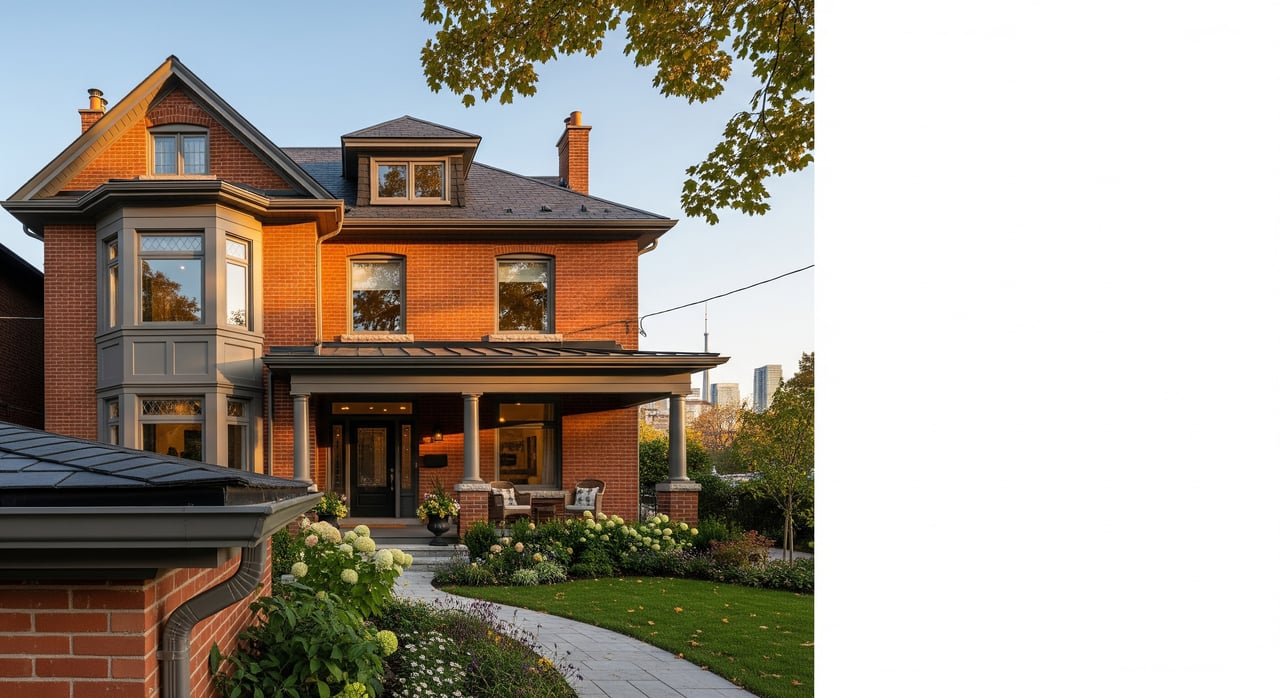
Thinking about listing your East End Toronto home and wondering how to avoid last‑minute surprises? In older homes, small hidden issues can snowball into delays, renegotiations, or lost deals once buyers start their inspections. A pre‑listing inspection helps you get ahead of those hurdles so you can price confidently and move faster. In this guide, you’ll learn what a pre‑listing inspection includes, typical costs and timing, how it fits East End housing stock, and the pros and cons so you can decide what is best for your sale. Let’s dive in.
What a pre‑listing inspection covers
How it works and what it includes
A pre‑listing inspection is a home inspection you order before you go to market. The goal is to identify material defects, safety concerns, and maintenance items so you can decide whether to repair, disclose, or price accordingly. Inspectors follow a recognized standard of practice and deliver a written report with photos and clear explanations.
A general inspection typically reviews major systems and components: roof, structure and foundation, exterior, interior, plumbing, electrical, heating and cooling, insulation, ventilation, and visible finishes. You get a narrative summary of findings and recommendations that you can use to plan repairs and support pricing.
Typical add‑ons for older East End homes
Many East End properties were built from the late 19th century through the mid‑20th century. That older character often means specialized add‑ons are worth considering:
- Sewer or drain camera scope for aging or clay services.
- Electrical specialist review if you suspect knob‑and‑tube wiring or older fuse panels.
- Chimney or roof specialist for steep, slate, or older roofing and flues.
- Environmental testing for materials that may contain asbestos or lead when flagged by the inspector.
- Structural engineer consultation if there are signs of significant foundation or structural movement.
Cost and timing expectations
In larger Canadian cities, a standard home inspection commonly ranges from several hundred to around a thousand dollars, depending on the property’s size, age, and any add‑ons. Specialized inspections are additional. Plan to schedule your inspection 1 to 2 weeks before listing so you have time to review the report, gather estimates, and complete simple repairs. If you are aiming for the busy spring market, book early to secure your preferred date.
Why East End Toronto homes benefit
Older housing stock and typical findings
Many homes in Riverdale, Leslieville, The Beaches, and the Danforth area combine historic charm with layers of renovations. That mix often reveals issues during inspections, including:
- Electrical: legacy wiring types, overloaded circuits, limited grounding, and outdated service panels.
- Plumbing: galvanized steel supply lines, potential polybutylene in some later installs, and aging water heaters.
- Roofing and attic: older shingles, ventilation gaps, and insufficient insulation.
- Basements and foundations: prior water infiltration, dampness, mortar deterioration in older masonry foundations, and the need for improved drainage or sump systems.
- Hazardous materials: lead‑based paint in pre‑1970s areas and select asbestos‑containing materials in insulation, duct wrap, or old flooring adhesives.
- Permits and retrofits: renovations completed without permits, which are a frequent concern in established urban neighborhoods.
Regulations and disclosure
Ontario does not require sellers to obtain a pre‑listing inspection. That said, sellers and licensed real estate professionals must not knowingly misrepresent a property and should disclose known material latent defects. Your disclosure strategy can depend on the specifics of your home and any complex permit history. It is wise to consult your real estate professional and, when needed, a lawyer for guidance on risk and wording.
Pros and cons for East End sellers
Advantages you can expect
- Fewer surprises once buyers begin due diligence, which reduces the risk of renegotiations or failed deals.
- Stronger pricing and negotiation posture because you understand the home’s condition and can document repairs.
- Time savings at closing when safety items are addressed early and conditional periods are shorter.
- Smarter spending on repairs that actually move the needle on value and buyer confidence.
- Marketing benefit when you can say an inspection report is available, signaling transparency.
Potential drawbacks to weigh
- Upfront cost for the inspection and any resulting repairs or permits.
- Discovery of expensive issues that you had not anticipated.
- A written record that buyers may use in negotiations, especially if you choose not to repair.
- Higher buyer expectations that can lead to requests for additional testing.
- Strategic trade‑offs in very hot markets where some sellers prefer buyer‑led inspections after offers.
When a pre‑listing inspection makes sense
- Your house is older or has a long renovation history, including potential DIY work.
- You suspect hidden issues such as prior water infiltration or old services.
- You want a faster, more transparent sale with fewer conditional hurdles.
- You plan to price aggressively and want the confidence of documented condition.
It may be less useful if your home is newer, recently renovated with permits, and you are confident that only minor cosmetic items are present.
How to choose the right inspector
- Prioritize inspectors who follow a recognized standard such as CSA A770 and are members of a professional association like CAHPI.
- Review a sample report for clarity, photos, and actionable recommendations.
- Confirm liability insurance and a clear written contract.
- Ask about experience with older East End Toronto homes and common local issues.
- Get a few quotes and compare quality and scope, not just price.
Good questions to ask:
- Do you provide a narrative report with photos within 24 to 48 hours?
- Which supplemental tests do you recommend for older homes in this area?
- Are you familiar with Toronto permit and retrofit considerations for past renovations?
Prep checklist before inspection
Getting your home ready helps the inspector do a thorough job and can lead to a cleaner report.
- Paperwork: gather permits and completion letters, receipts and warranties for mechanicals, insurance claim histories, prior inspection reports, and HVAC or boiler service records.
- Access: ensure utilities are on, pilot lights are lit, and there is clear access to the attic, crawlspaces, mechanical room, and basement. Unlock gates, sheds, and utility panels.
- Housekeeping: remove clutter that blocks inspection areas, replace burned‑out bulbs, and clear short exterior spaces.
- Safety: tell the inspector about any known hazards or fragile areas.
- Pets: secure or remove pets during the appointment.
After the report: decide what to do
Use a simple triage to set priorities and budget:
Safety or legally required items. Electrical hazards, gas leaks, and carbon monoxide risks come first. Plan to repair these quickly.
Structural or water infiltration issues. Seek specialist estimates for foundation movement, significant dampness, or drainage problems. These can affect value and insurability.
Major system life‑cycle items. Roofs at end of life, old furnaces, and aging water heaters may justify repair or pricing adjustments.
Cosmetic and minor maintenance. Gutter cleaning, caulking, and small plumbing fixes are usually cost‑effective and improve buyer impressions.
Your options:
- Repair and document. Complete key fixes and keep receipts and permits to share with buyers.
- Repair safety items, disclose the rest. Adjust price or offer a credit for remaining issues.
- Disclose without repairing. Provide the report and be transparent about condition. Discuss wording and risk with your agent and lawyer.
Timeline to weave into your listing plan
- 3 to 4 weeks before listing: book the inspection and any likely add‑ons. Start gathering documentation.
- 2 to 3 weeks before listing: receive the report, get repair estimates, and complete high‑impact fixes.
- 1 week before listing: finalize disclosure strategy, assemble receipts and permits, and decide whether to share the full report, a summary, or provide it upon request.
This schedule keeps you on track for the spring market while leaving room for specialist visits if needed.
Common buyer questions and how to respond
Be prepared for these questions once you share that a pre‑listing inspection was completed:
- Will you make the repairs? Buyers often expect safety issues to be handled.
- Can I see the inspection report? Decide in advance if you will offer the full report, a redacted version, or a summary.
- Why wasn’t X disclosed earlier? Have your documentation ready: past repairs, permits, and receipts.
- Can we order additional tests? Sewer scopes, electrical reviews, or environmental tests are common follow‑ups in older homes.
Clear, consistent answers backed by paperwork build trust and keep momentum.
The bottom line
For many East End Toronto sellers, a pre‑listing inspection is a smart move. It shines a light on issues common in older homes, helps you prioritize cost‑effective fixes, and strengthens your pricing and negotiation stance. If you value a transparent, efficient sale with fewer surprises, it is worth serious consideration.
Want a tailored plan for your home and timeline? Connect with the team at Peggy Hill to talk through strategy and your next steps.
FAQs
What is a pre‑listing inspection in East End Toronto?
- It is a seller‑ordered home inspection completed before you list, designed to identify material defects, safety concerns, and maintenance items so you can repair, disclose, or price accordingly.
How much does a pre‑listing inspection cost in East End Toronto?
- A standard inspection in larger Canadian cities typically ranges from several hundred to around a thousand dollars, with specialized add‑ons priced separately based on scope.
Do sellers have to share the inspection report with buyers in Toronto?
- There is no universal requirement to share it, but many sellers choose to provide the report or a summary to build trust. Discuss disclosure strategy with your agent and, when needed, a lawyer.
Should I replace knob‑and‑tube wiring before listing an East End home?
- If the inspection confirms safety or code concerns, addressing them is often wise. Obtain licensed electrician quotes and weigh repair costs against buyer confidence and potential price impacts.
When should I schedule a pre‑listing inspection before a spring listing in East End Toronto?
- Aim for 2 to 4 weeks before you go live. This gives you time for repairs, estimates, and a clear disclosure plan while avoiding spring scheduling bottlenecks.