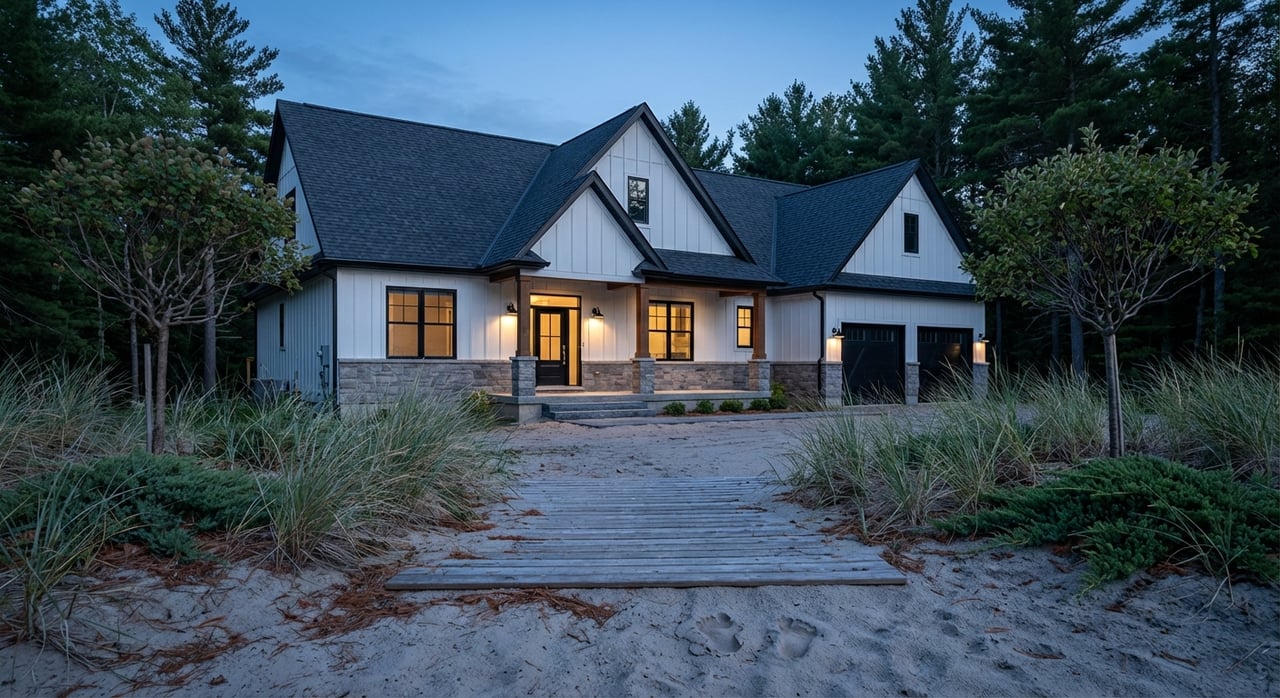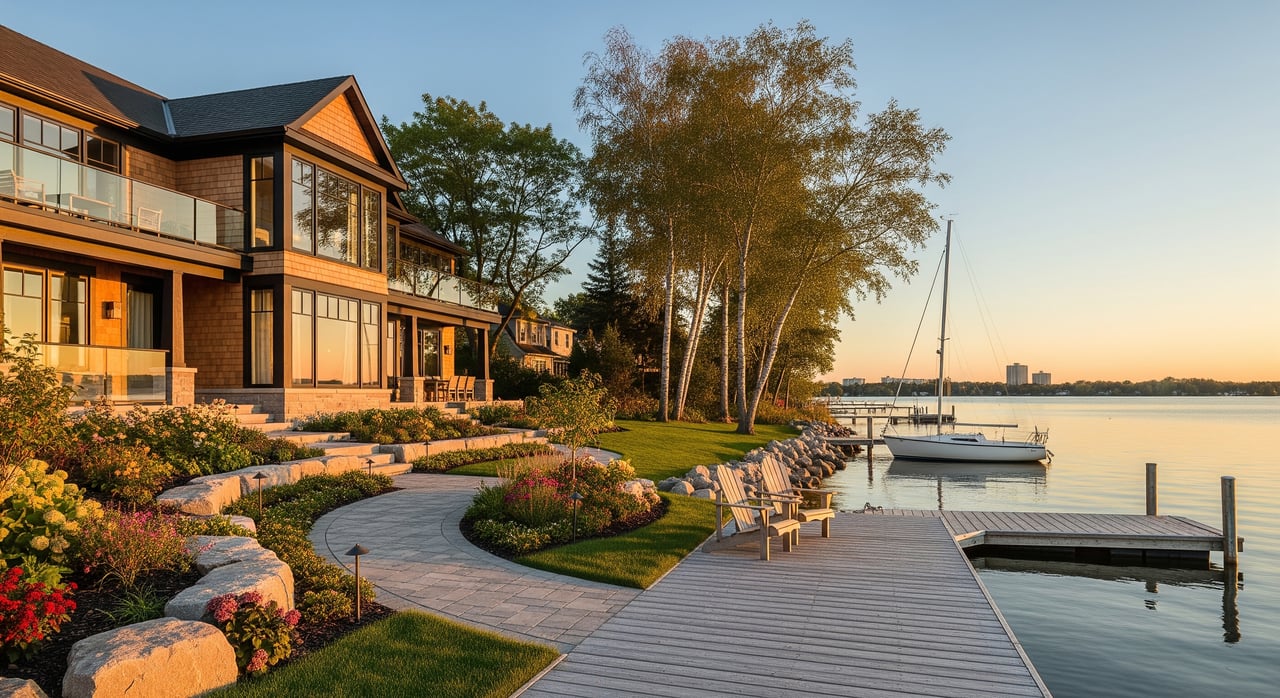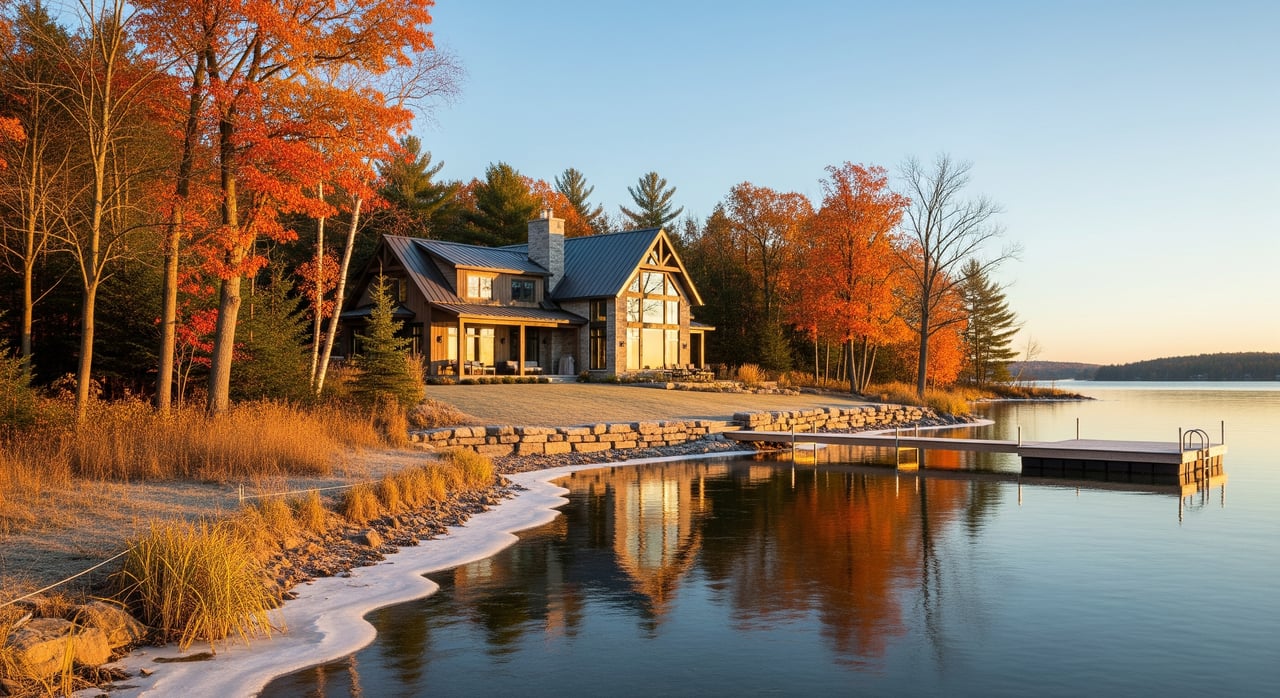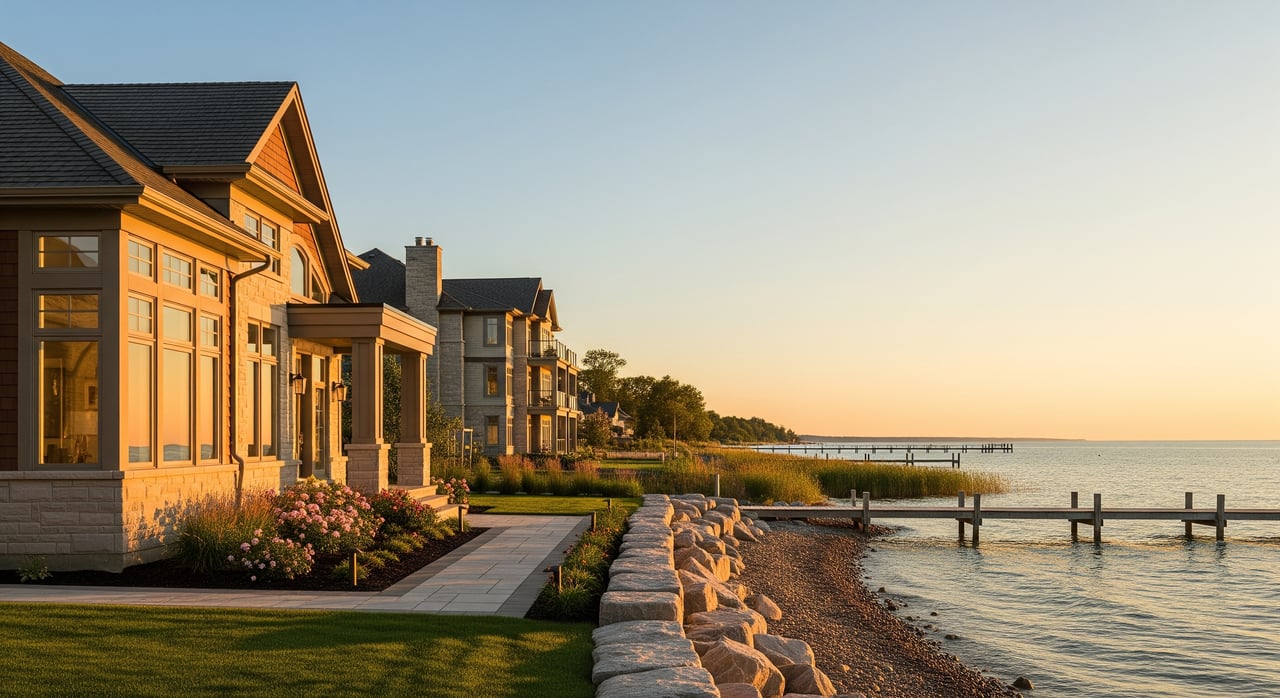
Thinking about a simpler condo lifestyle or the freedom of a freehold home in Lakeshore? It is a big decision, especially if you want lower maintenance or plan to enjoy time near Lake St. Clair. In this guide, you will compare ownership types, costs, rules, and local factors so you can choose with confidence. You will also get checklists, a quick decision matrix, and sample monthly budgets to help you run the numbers. Let’s dive in.
Freehold ownership in Ontario
Freehold means you own both the land and the home. You control maintenance, repairs, and upgrades, within local bylaws. You are responsible for property taxes, insurance, and all utilities.
When buying a freehold in Lakeshore, review the title, past permits, and any easements. Ask for recent tax bills, a home inspection, and details on septic or sewer connection. If the property is near the shoreline, confirm whether conservation rules apply before you commit.
How condo ownership works in Ontario
In a condominium, you own your unit and share ownership of common areas, such as halls, roofs, and grounds. The condo corporation manages the building using a budget funded by monthly condo fees. Rules are set out in the declaration, bylaws, and rules.
Ontario condos operate under the provincial Condominium Act, 1998. You should review the building’s finances, rules, and plans before you buy. A Status Certificate is the key document that summarizes the corporation’s financial health, reserve fund, rules, and any ongoing legal issues. Learn more in the Condominium Act, 1998 and buyer education from the Ontario Condominium Authority.
Lakeshore market context
Lakeshore sits on the north shore of Lake St. Clair and includes Belle River and nearby communities. You will find a mix of freehold detached homes, bungalows, and some townhouse-style options. Condo choices tend to be low-rise or mid-rise buildings or condominium townhomes, many with exterior maintenance included.
Regional forces can influence pricing and resale demand. Lakeshore’s proximity to the Windsor area can shape affordability and inventory. For current prices and availability, review local market data and compare similar properties in your preferred neighborhoods.
Cost differences at a glance
Your monthly and one-time costs will look different depending on ownership type.
Condo costs
- Ongoing: Condo fees for building upkeep, insurance on common elements, landscaping, snow removal, and reserve fund contributions. Fees may also include some utilities like heat or water.
- You still pay: Unit insurance for interior and contents, property taxes, and any utilities not included.
- Periodic: Possible special assessments if the reserve fund is not enough for major repairs. Closing costs include land transfer tax and legal fees. HST can apply to some new-build units.
Freehold costs
- Ongoing: No condo fee. You pay property taxes, all utilities, and full home insurance. You also cover lawn care, snow clearing, and all exterior and interior maintenance.
- Periodic: Capital repairs such as roof, windows, furnace, driveway, and septic system. Closing costs include land transfer tax, legal fees, and an inspection.
Insurance and taxes
- Condo: The corporation insures common elements and building structure according to the declaration. You insure your unit interior and belongings. Check who pays any deductible for unit-related claims.
- Freehold: You insure the entire structure and contents.
- Taxes: Both ownership types pay municipal property taxes based on assessed value. Utility costs vary based on what a condo fee includes.
Lifestyle trade-offs in Lakeshore
Privacy and outdoor space
- Freehold: More privacy and typically a larger yard. You can landscape, add a deck, or fence, subject to municipal rules.
- Condo: Balconies or shared grounds, with exterior maintenance handled by the corporation.
Maintenance and time
- Freehold: You manage everything, or you hire local services. Costs can be predictable or unpredictable.
- Condo: Day-to-day maintenance is lighter, which can suit frequent travelers and downsizers.
Amenities and social life
- Condo: You might get a lobby, fitness room, social space, and on-site management. These features support a lock-and-leave lifestyle.
- Freehold: You set up your own amenities or use local parks and community centers.
Renovations and pets
- Freehold: You have more freedom to renovate, subject to permits.
- Condo: Renovations must follow building rules, and some changes need approval. Pet policies vary by building, so review bylaws.
Accessibility and aging in place
- Condo: Elevators and step-free access can simplify daily life.
- Freehold: A bungalow can work well if you want one-level living, but exterior upkeep may be a hurdle.
Parking and guests
- Condo: Expect assigned or underground spots and regulated visitor parking.
- Freehold: Driveway parking is common. On-street rules follow municipal bylaws.
Resale and demand
- Freehold: Detached homes often command a premium, but location, condition, and lot size drive value.
- Condo: Lower-maintenance living appeals to many first-time buyers and downsizers. Building reputation and financial health matter.
Waterfront and permits in Lakeshore
If you are considering a waterfront or near-shore property, check planning and conservation rules early. The Essex Region Conservation Authority provides guidance on shoreline protection and natural hazards. Contact the Essex Region Conservation Authority and the Town of Lakeshore for permit requirements, setbacks, and flood risk information.
Also confirm if a property is on municipal water and sewer or on a well and septic system. Maintenance and cost expectations differ, and your inspection should include these systems.
Quick decision matrix
Use this simple scoring exercise to align your priorities with the best ownership type. Rate how important each item is from 1 to 5, then mark which option fits you better.
- Maintenance and time: Condo often better for low upkeep.
- Private outdoor space: Freehold usually better.
- Affordability at purchase: Condos can offer a lower entry price, but compare actual listings.
- Monthly predictability: Condo fees consolidate costs. Freehold costs vary.
- Renovation flexibility: Freehold better.
- Amenities and security: Condo better if building offers them.
- Parking ease: Freehold often better; condo depends on your unit.
- Pet flexibility: Freehold usually better.
- Resale strength: Depends on demand; freehold often strong.
- Aging in place: Condo with elevator or a freehold bungalow can both work.
- Exposure to large repairs: Condo risk ties to reserve fund health; freehold risk is yours to manage.
Tip: Multiply your importance rating by how well each ownership type meets that need. Add your totals to see which side wins.
Sample monthly budgets (illustrative)
These examples are estimates only. Your numbers will vary based on mortgage rate, taxes, condo fee, utilities, and insurance. Use current rates, request exact condo fee breakdowns, and confirm tax estimates with municipal resources and lenders. For mortgage planning tips, see guidance from CMHC.
Scenario A: Downsizer seeking low maintenance
- Condo (hypothetical): price $380,000; 20 percent down; condo fee $450; tax $250; unit insurance $40; heat and water included.
- Monthly: mortgage about $1,760; fee $450; tax $250; insurance $40; hydro/internet/phone $120. Total around $2,620.
- Freehold bungalow (hypothetical): price $480,000; 20 percent down; no condo fee; tax $325; home insurance $120; utilities $300; lawn and snow $150; reserve for repairs $200.
- Monthly: mortgage about $2,225; tax $325; insurance $120; utilities $300; maintenance $150; repairs reserve $200. Total around $3,320.
Interpretation: The condo example shows lower monthly cash flow and less hands-on upkeep. The freehold example costs more each month but offers a private yard and full control over improvements.
Scenario B: Entry buyer prioritizing resale flexibility
If condo and freehold prices are similar, focus on monthly predictability and risk. For a condo, review the Status Certificate and reserve fund to understand potential special assessments. For a freehold, weigh possible big-ticket repairs and the cost of ongoing maintenance. Your choice comes down to which risk profile you prefer.
What to ask before you buy
Condo showings and documents
- Request the Status Certificate and recent board minutes. Ask about planned projects or special assessments.
- Review the reserve fund study and current budget. What do condo fees include?
- Confirm pet, rental, and smoking rules.
- Ask about parking assignments, visitor parking rules, and storage lockers.
- Review the building’s insurance policy. Clarify who pays the deductible if unit damage is linked to common elements.
- Learn more about condo rules and buyer rights through the Ontario Condominium Authority.
Freehold due diligence
- Get a full home inspection and details on roof, windows, HVAC, plumbing, electrical, and any basement or drainage issues.
- Confirm municipal water and sewer or well and septic. Request service history.
- Check for any permits or orders that affect the property. Contact the Town of Lakeshore for planning and building questions.
- If the property is near the shoreline, consult the Essex Region Conservation Authority about setbacks, protection works, and floodplain mapping.
- Gather average utility costs and property tax history. Review closing costs, including Ontario’s land transfer tax.
Next steps
- Clarify your priorities using the decision matrix.
- Get pre-approved and build a realistic monthly budget that includes fees or maintenance reserves.
- Shortlist a few Lakeshore neighborhoods and property types that fit your lifestyle.
- For condos, secure the Status Certificate review early. For freeholds, book a comprehensive inspection and verify municipal compliance.
If you want a clear path from shortlisting to a confident offer, connect with a team that treats your goals like their own. Reach out to Peggy Hill to compare options, run the numbers, and plan your next move with confidence.
FAQs
What is the basic difference between freehold and condo ownership in Ontario?
- Freehold means you own the land and the building, while condo means you own your unit plus a shared interest in common areas governed by the Condominium Act and condo bylaws.
Why is a Status Certificate important when buying a Lakeshore condo?
- It summarizes the condo corporation’s rules, fees, reserve fund, and any legal issues so you can assess financial health and future risk before you buy.
Do condo fees in Lakeshore usually include utilities like heat or water?
- It depends on the building; some fees include certain utilities while others do not, so review the budget and fee breakdown in the Status Certificate.
Are Lakeshore waterfront properties subject to special permits or rules?
- Waterfront and near-shore properties can face conservation and planning requirements; check with the Town of Lakeshore and the Essex Region Conservation Authority before proceeding.
How do closing costs differ for condos versus freeholds in Ontario?
- Both pay land transfer tax and legal fees; condos may face special assessments over time, and HST can apply to some new-build units, while freeholds carry all future repair costs directly.