Want the keys in hand for first tracks at Horseshoe or a dock day by June? In Oro-Medonte, timing your purchase around ski season and summer can shape your selection, negotiation power, and closing date. If you understand how local recreation drives supply and demand, you can plan a smoother move and avoid last-minute stress. This guide breaks down seasonal patterns, monthly timing tips, and practical checklists to help you buy with confidence. Let’s dive in.
Why seasonality matters
Oro-Medonte attracts year-round buyers with a strong pull from winter sports, trail systems, and lake access. That recreation calendar influences when homes hit the market and how fast they sell. Ski-area chalets often see a bump in interest before winter, while waterfront and cottage properties draw peak attention in late spring and early summer. When you align your search with these cycles, you get better choices and a cleaner path to possession.
Oro-Medonte seasonal patterns
Inventory trends
- Spring often brings the widest selection as many owners list after winter use.
- A secondary wave arrives in late summer and early fall, especially for ski-adjacent homes targeting winter buyers.
- Winter usually has fewer new listings overall, with some ski-ready properties timed for pre-season closings.
- Waterfront supply concentrates in late spring through summer when showings and inspections are easier.
Days on market
- Homes sell faster when buyer demand spikes, like spring for the general market.
- Ski-friendly listings near resort amenities can move quickly in fall and early winter.
- Off-season listings, such as waterfront in winter, may sit longer and offer room to negotiate.
Pricing dynamics
- Proximity to Horseshoe Resort or popular trailheads can add a premium, especially for ski-ready layouts and gear storage.
- Waterfront properties often command higher prices heading into summer.
- In a balanced market, seasonal premiums are moderate. In a hotter market, peak-season competition can push offers higher.
Month-by-month timing
January–February
- Quieter overall market, with ski-interested buyers active and some motivated sellers.
- Pros: fewer bidding wars on many properties; potential negotiation room.
- Cons: challenging inspections and moving conditions; some sellers wait for spring.
- Tips: get pre-approved; plan for winter-specific inspections like roof load and heating performance.
March–May
- Spring brings the most new listings and higher buyer activity.
- Pros: strong selection for both primary homes and cottages; time to secure a summer possession.
- Cons: more competition on desirable listings; expect faster offer timelines.
- Tips: act decisively; write conditions that keep your schedule on track for a June closing.
June–July
- Peak momentum for waterfront and cottage categories.
- Pros: best time to buy for immediate summer use; easier to inspect docks and shoreline features.
- Cons: seller price expectations on waterfront can be firm.
- Tips: evaluate septic performance and well yield in warm-weather conditions.
August–September
- Sellers list ski-adjacent homes to capture pre-season demand; some waterfront tapers.
- Pros: a smart window to close before December for ski season.
- Cons: competition rises for well-located chalets and townhomes near amenities.
- Tips: negotiate closing dates that allow time to winterize and move before lift operations ramp up.
October–November
- Focused market for ski-friendly properties; some sellers prioritize quick fall sales.
- Pros: close and settle in before winter activities start.
- Cons: fewer options than spring across the broader market.
- Tips: include clauses for winterizing responsibilities and plan immediate maintenance.
December
- Holiday period is slower; motivated resort-area sellers may still list to reach last-minute ski buyers.
- Pros: less competition on non-resort listings; potential deals.
- Cons: lender, lawyer, and inspection schedules can be tight.
- Tips: confirm professional availability before firming up a holiday closing.
Plan for ski season
If you want possession in early December or January, work backward from your target date. Typical closings run 30 to 90 days after a firm agreement. Starting your search in late summer positions you to make offers in September or October and close in late October or November. That buffer helps you handle winterizing, furniture delivery, and any quick upgrades before snowfall.
Plan for summer possession
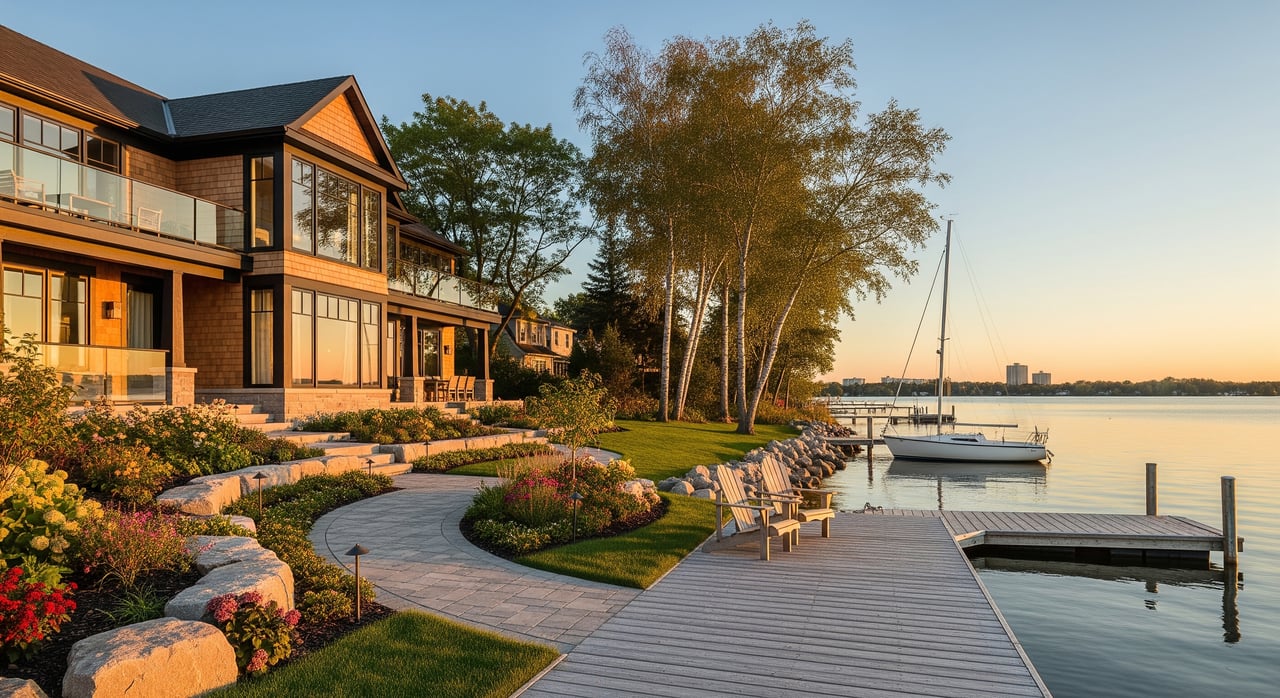
For June occupancy, begin in late winter through early spring. Aim to secure an accepted offer by April or May, then close in time to enjoy the season. Warm-weather inspections are ideal for waterfront: you can test docks, assess shoreline protection, and observe systems under seasonal load. Align your conditions with inspectors and contractors who can access the property easily.
Inspection and due diligence
Winter checklist
- Heating systems: confirm size, efficiency, and performance in cold conditions.
- Building envelope: check insulation, windows, and signs of ice dams.
- Access: review driveway slope, snow removal arrangements, and municipal vs. private road maintenance.
- Utilities: ensure clear access to shut-offs, meters, and tanks during snow.
Summer checklist
- Waterfront: inspect docks, lifts, and shoreline stabilization.
- Septic and well: verify capacity, flow, and water quality in warm-weather use.
- Outdoor structures: review decks, sheds, and outbuildings for wear and permits.
- Trails and access: understand nearby trail networks and seasonal access patterns.
Financing, insurance, and STR factors
- Financing: some lenders apply different criteria to seasonal or non-standard properties. Get clarity on down payments and appraisal requirements early.
- Insurance: match your policy to intended use, whether year-round or seasonal. Ask about cottage coverage and winterizing expectations.
- Short-term rentals: demand can be strong in winter and summer. Before underwriting income, verify local bylaws, licensing needs, and lender and insurer rules.
Offer strategy by season
- Spring: be ready for multiple offers on stand-out homes. A clean, well-prepared offer with firm financing can help you compete.
- Late summer to fall: sellers targeting ski buyers may prioritize closing dates. Use terms and timing to your advantage.
- Winter: fewer listings can mean more negotiation leverage for non-resort properties, while resort-adjacent homes may still command premium terms.
Buyer checklist
- Define your season: ski season or summer possession, with target move-in week.
- Get pre-approved: lock in budget and speed up decisions.
- Set your timeline: plan offer and closing dates 30 to 90 days ahead of possession.
- Match inspections to season: winter for heating and access; summer for waterfront systems.
- Confirm access: snow removal, municipal plowing, and private road obligations.
- Review utilities: well, septic, propane or natural gas, and backup power.
- Verify use: year-round vs. seasonal occupancy and any rental plans.
- Align the team: lender, lawyer, inspector, and contractor availability near key dates.
Next steps
Your best season starts with a clear plan. Whether you want first chair at Horseshoe or a turnkey dock day by June, the right timing, conditions, and closing date make all the difference. If you want local guidance on specific streets, trailheads, or waterfront pockets in Oro-Medonte, we are ready to help.
Reach out to the Peggy Hill Team to map your timeline, set up alerts, and move fast when the right property hits the market.
FAQs
When is the best time to buy for ski season in Oro-Medonte?
- Start your search in August or September, aim to firm a deal in September or October, and target a late October or November closing to settle in before December.
How long does it take to close a home purchase in Ontario?
- Most transactions close in 30 to 90 days after a firm agreement, so work backward from your ideal possession date when planning.
Are winter home inspections reliable in snowy conditions?
- Yes, but you should focus on heating performance, insulation, roof load, and access; plan for follow-ups if some exterior elements are snow-covered.
What should I inspect on a waterfront property in summer?
- Assess docks and shoreline protection, test septic and well under warm-weather use, and check outdoor structures for wear and permits.
How do short-term rental rules affect buying in Oro-Medonte?
- Local bylaws and licensing can impact your ability to rent seasonally; verify current rules and confirm your lender and insurer accept STR use before you buy.